Blog

  • Breast Augmentation Guide: Natural Results at Nypunya Clinic

    Breast Augmentation Guide: Natural Results at Nypunya Clinic

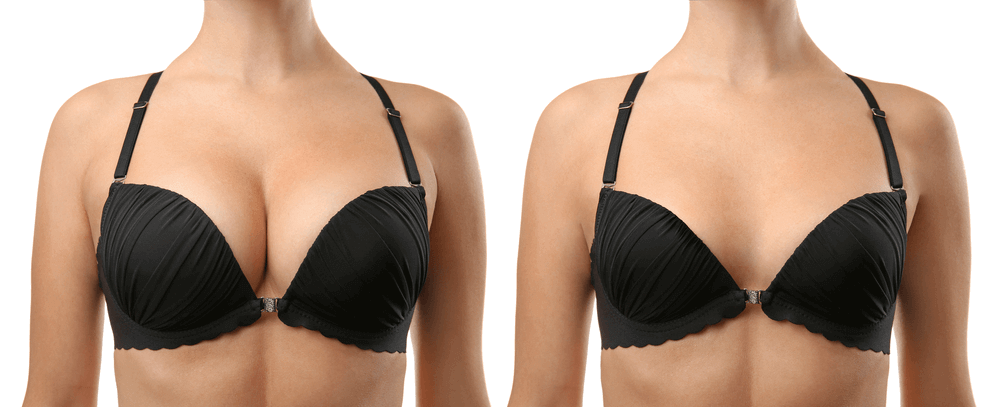
    Breast augmentation in Bangalore has surged in popularity, offering women natural-looking enhancements tailored to Indian body types and lifestyles. At Nypunya Aesthetic Clinic, Dr. Prashantha Kesari specializes in silicone implants and fat transfer for subtle, proportionate results that blend seamlessly with your frame. This guide covers best practices for breast augmentation surgery, focusing on achieving natural breasts in Bangalore’s competitive aesthetics scene.

    Modern techniques prioritize “natural results breast augmentation,” using teardrop implants or autologous fat grafting to avoid the overdone look. Patients seek this for post-pregnancy restoration, asymmetry correction, or boosting confidence in fitted salwar suits and gym wear. Nypunya Clinic emphasizes personalized sizing via 3D simulations for outcomes that feel and move authentically.

    Choosing the Right Implant for Natural Look

    Silicone cohesive gel implants mimic breast tissue density, ideal for Bangalore women with slimmer builds. Motiva or Mentor brands offer nanotextured surfaces that help reduce the risk of capsular contracture. Fat transfer breast augmentation harvests your own tissue, perfect for modest 1‑cup increases with no foreign material.

    Surgical Techniques for Subtle Enhancement

    Dual-plane placement positions implants partially under muscle for natural cleavage and upper pole fullness without rippling. Incisions hide in inframammary folds, minimizing scars on Indian skin tones. At Nypunya, endoscopic assistance ensures precision, with surgery typically completed within a short operative time under general anesthesia.

    Recovery Timeline in Bangalore’s Climate

    Expect about a week of focused rest; wear surgical bras consistently to support healing in humid weather. Many patients resume desk work in 5–7 days and start light exercise after 4 weeks, based on surgeon clearance. Swelling usually peaks around day 3 and then gradually settles over the next couple of months, revealing a more natural breast shape that suits professionals in IT hubs like Whitefield.

    Cost Breakdown and Financing Options

    Breast augmentation in Bangalore is considered a long-term investment in confidence and body image, especially when compared with repeated non-surgical enhancement options. At Nypunya Clinic, the team offers transparent treatment plans and flexible financing or installment options to help patients plan their procedure comfortably. Personalized quotes are provided after consultation, depending on the technique, implants, and any additional procedures recommended.

    Why Nypunya for Natural Breast Augmentation

    Dr. Kesari’s extensive experience and international training support consistently high-quality outcomes with low revision rates. The clinic follows stringent safety standards and patient‑centric protocols, focusing on realistic expectations and long‑term satisfaction. High rates of positive feedback and word‑of‑mouth referrals highlight the trust Nypunya has built among breast augmentation patients in Bangalore.


    Frequently Asked Questions (FAQ)

    What is the breast augmentation cost in Bangalore at Nypunya Clinic?
    Exact breast augmentation costs vary depending on the implant type, whether fat transfer is combined, and the complexity of the case. During consultation, Nypunya provides a detailed estimate that includes investigations, anesthesia, surgery, and post‑operative follow‑ups, so there are no hidden expenses.

    Who is ideal for natural results breast augmentation?
    Ideal candidates are women 18+ with good skin elasticity, stable weight, and realistic goals such as a 1–2 cup size increase. It is not suitable for significant sagging on its own, in which case a breast lift may be combined; many Bangalore candidates are post‑partum women or fitness enthusiasts seeking better proportion rather than a dramatic change.

    How long do breast implants last?
    Modern breast implants are designed to be long‑lasting, often remaining in place for many years without issues. Regular clinical check‑ups and imaging such as ultrasound or MRI after a few years help monitor implant integrity and guide any future decisions.

    Does breast augmentation increase breast cancer risk?
    Current evidence does not show an increased risk of breast cancer due to implants. Implants placed under the muscle generally do not interfere with mammograms, and Nypunya recommends routine screening and pre‑operative evaluation to maintain safety.

    What anesthesia is used in breast augmentation surgery Bangalore?
    Most breast augmentation surgeries are performed under general anesthesia for comfort, combined with local infiltration to reduce post‑operative pain and nausea. Patients usually return home the same day after a few hours of monitoring in the recovery area.

    Can I breastfeed after breast augmentation at Nypunya?
    In many cases, breastfeeding remains possible if the milk ducts and glandular tissue are carefully preserved. Discussing future pregnancy and breastfeeding plans with the surgeon before surgery allows the technique and incision placement to be chosen accordingly.

    What are risks of breast augmentation in India?
    Potential risks include infection, hematoma, capsular contracture, changes in nipple sensation, or rippling, though these are uncommon when surgery is done by qualified plastic surgeons. Nypunya follows strict hygiene and operative protocols, along with thorough pre‑operative assessment, to keep complication rates low.

    How to maintain natural-looking breasts post-surgery?
    Maintaining a stable weight, wearing supportive bras, and avoiding smoking help preserve both implant position and skin quality. Regular follow‑ups at Nypunya and adherence to activity restrictions, especially avoiding heavy upper‑body workouts in the early healing phase, support long‑lasting, natural results.

    Is fat transfer better than implants for natural breast augmentation Bangalore?
    Fat transfer can be ideal for women seeking a small, subtle increase with the added benefit of body contouring in donor areas. Implants, however, may be better for those wanting a larger or more predictable volume change; in some patients, both techniques are combined for softer edges and improved upper pole fullness.

    When can I see final natural results after breast augmentation?
    Initial swelling and implant “high‑riding” usually settle over a few weeks, with the breasts softening and dropping into a more natural position between 3–6 months. Sensation and scar appearance also continue to improve over this period, and follow‑up photos help patients appreciate the progression.

    Does insurance cover breast augmentation cost in Bangalore?
    Most insurance policies do not cover purely cosmetic breast augmentation. However, partial or full coverage may be possible for reconstructive cases, such as post‑mastectomy or congenital breast deformities, and Nypunya assists with the necessary medical documentation.

    How to select best breast augmentation clinic Bangalore?
    Look for a board‑certified plastic surgeon with extensive breast surgery experience, transparent communication, and authentic before‑and‑after photographs. Nypunya’s focus on natural‑looking results, safety, and comprehensive follow‑up care makes it a strong choice for women considering breast augmentation in Bangalore.
  • Understanding Tummy Tuck Costs, Recovery, Risks, and Results at Nypunya Aesthetics Bangalore

    Understanding Tummy Tuck Costs, Recovery, Risks, and Results at Nypunya Aesthetics Bangalore

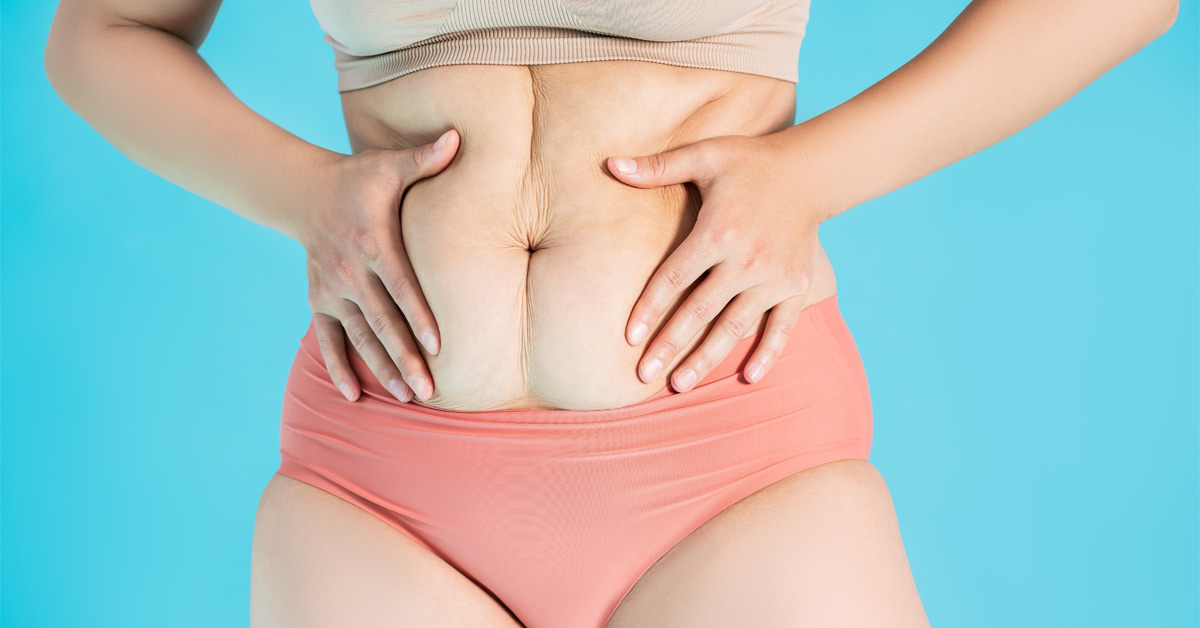
    Tummy tuck surgery, also known as abdominoplasty, is a popular cosmetic procedure aimed at improving abdominal contour by removing excess skin and fat and tightening abdominal muscles. At Nypunya Aesthetics in Bangalore, this surgery is tailored to fit your unique needs, with transparent pricing, comprehensive recovery management, and high safety standards.


    Tummy Tuck Costs in India and Bangalore

    The cost of a tummy tuck varies widely based on the complexity of the procedure, location, and surgeon expertise. At Nypunya Aesthetics, prices start from 1.5 lakhs INR for mini tummy tuck procedures and can go up to 7 lakhs INR for extensive high-definition or combined surgeries such as hernia repair.

    – Level of abdominoplasty required (simple vs. extended).

    – Additional procedures like liposuction, fat grafting, or abdominal wall reconstruction.

    – Hospital facility, anesthesia, and post-operative care costs.

    Compared to the US or UK, where similar surgeries can cost 15 times more, India offers high-quality results at affordable prices, especially in cities like Bangalore.


    Insurance and Payment Options

    Purely aesthetic tummy tucks typically are not covered by health insurance in India. However, if abdominal wall reconstruction or hernia repair is involved, partial reimbursement may be possible. Many hospitals and clinics also offer EMI or easy payment plans to make the surgery accessible without financial strain.


    Recovery Process and Timeline

    Recovery from tummy tuck surgery requires patience and adherence to medical guidance. The typical timeline includes:

    – Day 1: Early walking to prevent blood clots; pain controlled with medication.

    – Week 1-2: Wearing compression garments to support healing and control swelling. Drains, if placed, are usually removed within this period.

    –  Weeks 2-3: Most patients can resume light work and daily activities.

    –  Weeks 6-8: Patients can return to regular exercise and heavier physical activity.

    –  3-6 Months: Complete resolution of swelling and final contour appearance.


    Patients are advised against heavy lifting for 6-8 weeks to avoid pressure on healing muscles. The initial tightness and discomfort improve substantially after the first few weeks. Post-operative massages and regular follow-ups at Nypunya Aesthetics support optimal recovery.


    Risks and Complications

    Tummy tuck surgery is generally safe when performed by experienced and qualified plastic surgeons. However, as with any surgery, there are potential risks:

    –  Infection or wound healing issues.

    –  Blood clots (deep vein thrombosis).

    –  Temporary or rarely permanent numbness around the incision.

    –  Visible scarring or need for minor revision surgery (less than 3% cases).

    –  Fluid accumulation (seroma) which may require drainage.

    NyPunya Aesthetics employs strict protocols including preoperative screening and post-surgical care to minimize these risks and ensure patient safety.


    Expected Results and Benefits

    A tummy tuck can significantly enhance body contour by:

    –  Removing excess sagging skin and fat.

    – Repairing separated muscles (diastasis recti) to flatten the abdomen.

    –  Improving posture and potentially relieving back pain caused by abdominal wall weakness.

    –  Boosting confidence and body image, leading to improved quality of life.

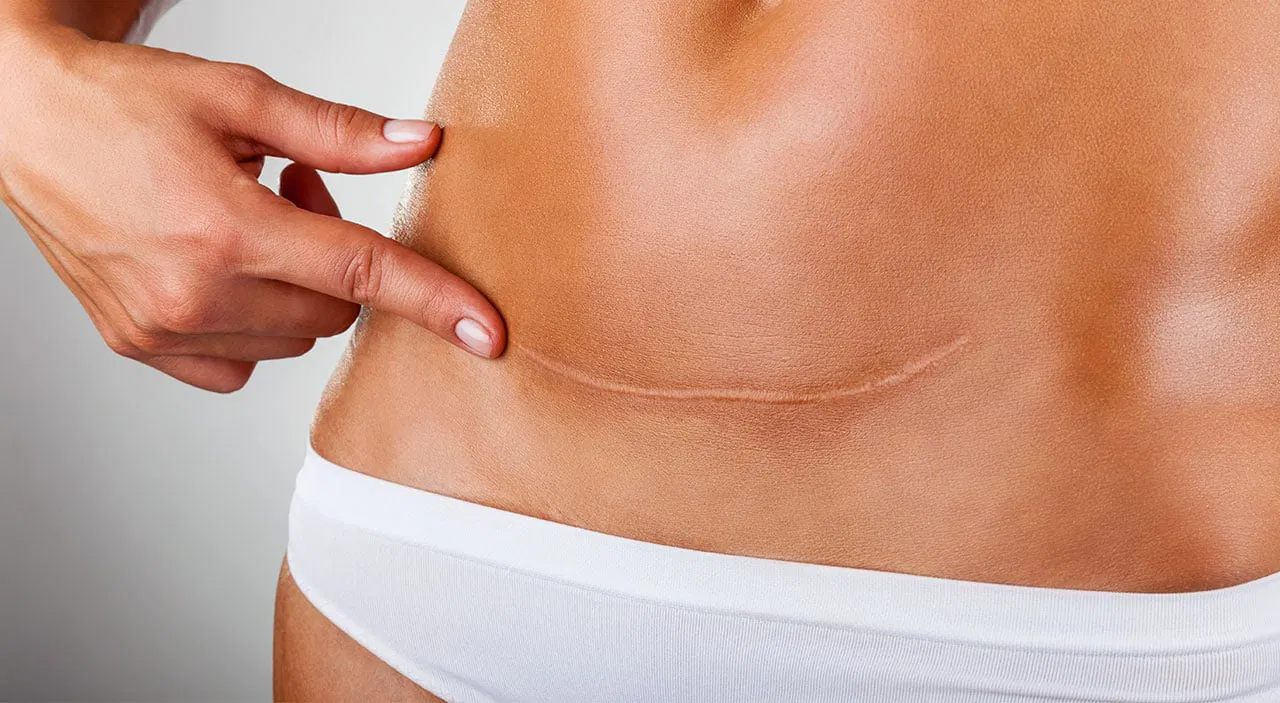
    While results are visible immediately after surgery, swelling takes several weeks to subside, with the final shape settling in up to 6 months. The scars are discreetly placed within the bikini line and fade over time to be virtually unnoticeable.


    Lifestyle After Tummy Tuck

    Patients can expect to resume most activities within weeks, with normal flexibility returning after 3-4 months. Pregnancy after tummy tuck is possible but may stretch the tightened muscles and compromise results, so it is advised to plan the surgery after completing your family. Breastfeeding is not affected by tummy tuck surgery.


    Additional Q&A at Nypunya Aesthetics

    – Does tummy tuck remove stretch marks?

    Around 80% of stretch marks on the lower abdomen are removed with the skin excision.

    –  Can men undergo tummy tuck?

    Yes, especially for excess skin, muscle laxity, or hernia repair.

    –  Will people notice my surgery?

    Scars are subtle and concealed; most people cannot detect the procedure unless closely examined.

    –  Can a tummy tuck improve sex life?

    Many patients report increased confidence and improved satisfaction post-surgery.

    –  Is tummy tuck worth it?

    With most patients highly satisfied and reporting life-changing outcomes, it is considered among the most rewarding cosmetic surgeries.


    Nypunya Aesthetics in Bangalore offers expert consultations to discuss your goals, provide realistic expectations, and create a personalized tummy tuck plan with competitive pricing and outstanding care. Contact us today to schedule your appointment and start your transformation journey.

  • Tummy Tuck Surgery in Bangalore: Comprehensive Guide to Abdominoplasty at Nypunya Aesthetics

    Tummy Tuck Surgery in Bangalore: Comprehensive Guide to Abdominoplasty at Nypunya Aesthetics

    Tummy tuck surgery, medically known as abdominoplasty, is a transformative procedure designed to remove excess skin and fat from the abdomen while tightening the underlying muscles. This results in a flatter and more toned midsection. At Ny Punya Aesthetics in Bangalore, tummy tucks are tailored to help individuals, particularly women post-pregnancy and those who have experienced significant weight loss, to regain their body confidence with natural-looking and lasting results. Unlike liposuction, which solely targets fat, a tummy tuck addresses skin laxity, stretch marks, and muscle separation (diastasis recti), providing a comprehensive body contouring solution.


    Ideal Candidates for Tummy Tuck

    The ideal candidate for a tummy tuck is someone who has excess abdominal skin and fat that has not responded to diet or exercise. This includes:

    –  Women who have undergone childbirth and have loose skin or stretch marks below the belly button.

    –  Men and women who have significant skin laxity due to aging or major weight loss.

    –  Individuals with muscle weakness or hernias that require abdominal wall repair.

    –  Those with a stable weight, generally a body mass index (BMI) under 30.

    –  Patients who do not plan any future pregnancies to ensure the longevity of results.


    Prior to surgery, a thorough consultation at Ny Punya Aesthetics involves a detailed medical evaluation, BMI assessment, and review of expectations with before-and-after photos to create a personalized surgical plan.


    Types of Tummy Tuck Procedures

    Tummy tuck surgeries come in several variations to suit different needs and body types. Key types offered include:

    –  Full Tummy Tuck: This procedure addresses excess skin and fat in both the upper and lower abdomen. It includes tightening of the abdominal muscles and repositioning of the belly button. This option is ideal for those with significant skin laxity and muscle separation. The cost typically ranges from 2 to 4 lakhs INR in India.

    –  Mini Tummy Tuck: Best suited for individuals with mild lower abdominal bulges and a smaller amount of excess skin. This involves a smaller incision, less extensive muscle tightening, faster recovery, and costs between 1.5 to 2 lakhs INR.

    –  Extended or Fleur-de-Lis Tummy Tuck: Designed for patients who have undergone massive weight loss, this technique removes additional skin from the flanks and possibly the vertical abdomen, resulting in more noticeable scarring but substantial contour improvement. Pricing may range from 3 to 5 lakhs INR.

    –  High-Definition Tummy Tuck: This technique adds liposculpting to create defined abdominal grooves, enhancing muscle contours, especially in athletic individuals with a low BMI. Costs are higher, between 4 to 7 lakhs INR.


    Surgeons at Ny Punya Aesthetics often recommend drainless tummy tuck techniques to reduce downtime and improve recovery comfort.


    Preparing for Surgery

    Preparation is crucial to ensure safety and optimal results. Patients are advised to:

    –  Achieve and maintain a stable weight.

    –  Quit smoking at least 4 to 6 weeks before surgery.

    –  Complete all required medical tests, including blood work.

    –  Avoid certain medications such as blood thinners.

    –  Plan surgery after completing family, ideally at least 6 to 12 months post-pregnancy or weight loss surgery.


    The procedure usually lasts 2 to 4 hours under general anesthesia or epidural, with some patients opting to remain awake but comfortable during surgery.


    Recovery and Aftercare

    Recovery from a tummy tuck requires patience and adherence to medical advice:

    –  Walking is encouraged on the first day to reduce the risk of blood clots.

    –  Compression garments must be worn for 4 to 6 weeks to support healing and reduce swelling.

    –  Surgical drains, if used, are typically removed within 1 to 2 weeks.

    –  Patients can expect to resume light activities and work within 2 to 3 weeks.

    –  Strenuous exercise and heavy lifting should be avoided for 6 to 8 weeks.

    –  Swelling and bruising typically subside over 6 to 8 weeks, with full results visible within 3 to 6 months.


    Risks and Safety

    Tummy tucks are generally safe when performed by experienced plastic surgeons. Potential risks include infection, blood clots, numbness (usually temporary), and minor scarring. The revision surgery rate is very low at under 3%. Patients are carefully monitored throughout recovery to manage any complications early.


    Long-Term Benefits and Results

    A tummy tuck not only improves physical appearance by slimming the waistline and removing excess skin but also contributes to better posture and reduced back pain by repairing abdominal muscles. Patients often report boosted confidence and satisfaction with their body image. While pregnancy after a tummy tuck is possible, it may stretch the tightened muscles and skin, so it is recommended to plan the surgery after family completion for permanent results.

    Tummy tuck scars are well concealed, typically hidden within the bikini line, making them virtually unnoticeable in most clothing.


    Frequently Asked Questions

    –  Does tummy tuck remove stretch marks?
    Yes, it effectively removes about 80% of stretch marks located on the lower abdomen by excising the affected skin.


    –  Can men benefit from tummy tucks?
    Absolutely. Men with loose skin, muscle laxity, or hernias post-weight loss are excellent candidates.


    –  Is the surgery painful?
    Post-surgical pain is managed with medication. Most patients experience manageable discomfort which improves significantly after the first week.


    –  Can I get pregnant after a tummy tuck?
    Yes, but it’s advisable to have completed your family before surgery to maintain results.


    –  How long do results last?
    With stable weight and a healthy lifestyle, tummy tuck results are long-lasting and often permanent.


    Choosing Nypunya Aesthetics

    Selecting the right surgeon is vital. At Nypunya Aesthetics, board-certified plastic surgeons specializing in aesthetic body contouring perform every procedure with personalized care. Patients are supported through every step from consultation and surgical planning to recovery to ensure safe, effective, and aesthetically pleasing tummy tuck outcomes.

    Contact Nypunya Aesthetics today to schedule your consultation and embark on your journey to a slimmer, more confident you.


  • Understanding Facelift Surgery and Its Pricing in India

    Understanding Facelift Surgery and Its Pricing in India

    In the world of aesthetic surgery, a facelift is one of the most sought-after procedures for rejuvenating facial appearance and restoring youthful contours. For both Indian residents and international patients seeking high-quality yet affordable facelift surgery, India offers advanced procedures with transparent pricing and flexible financing. This blog unpacks the various facelift surgery levels, details the pricing structure in India, compares costs internationally, and addresses common questions about payments and insurance.


    What Is Facelift Surgery?

    A facelift surgery is a tailored procedure designed to lift and tighten sagging skin and tissues of the face and neck to reduce wrinkles and facial aging signs. The surgery targets specific facial areas and can involve multiple levels depending on the extent and complexity required.


    Levels of Facelift Procedures

    Indian facelift surgeons classify facelift surgery into several progressive levels:

    – Level 1: Simple endoscopic mid facelift (deep plane phase lift)

    – Level 2: Endoscopic mid and lower face lift

    – Level 3: Includes neck lift for a more comprehensive contouring

    – Level 4: Extended SMAS (Superficial Musculoaponeurotic System) deep plane facelift performed via mini incisions for greater lift and natural results

    – Level 5: Additional procedures such as endoscopic brow lift or fat grafting included

    Each level involves increasing complexity and duration, generally taking from 2 to 6 hours depending on the number of maneuvers performed in a procedure.


    How Is Facelift Pricing Structured in India?

    Pricing is a crucial factor for patients considering facelift surgery. Several elements influence facelift costs:

    – The number of facial areas treated

    – The level of facelift procedure chosen

    – Operating time and surgical complexity

    – Additional procedures like fat grafting or chin implants

    – Hospital and anesthesia fees


    Transparent Pricing Model

    A key advantage Indian clinics offer is a transparent level-based pricing structure:

    – The base level 1 facelift starts around ₹1.6–1.7 lakhs plus taxes and consumables.

    – Each higher level incrementally adds about 50% of the prior level prices due to increased complexity and time.

    – A full comprehensive facelift (levels 4 or 5) can cost up to ₹5 lakhs plus applicable taxes and consumables.

    This model ensures no surprises in billing and allows patients to choose a procedure that fits their aesthetic goals and budget.

    Comparative International Costs

    When compared globally, India remains a highly affordable option without compromising quality:

    – In the United States, facelift prices range from $25,000 to $250,000 (approximately ₹20 to ₹200 lakhs), influenced heavily by surgeon fees, facility costs, and insurance setups.

    – European countries also have much higher average prices than India.

    This cost effectiveness combined with skilled surgeons and modern medical facilities makes India an attractive destination for both local and international patients.

    Insurance, Taxes, and Financing Options


    Is Facelift Surgery Covered by Insurance?

    Facelift surgery is largely considered an elective, cosmetic procedure and is generally not covered by health insurance policies. Unlike reconstructive surgeries, aesthetic procedures are self-financed, and patients should account for GST (Goods and Services Tax) which applies to such services in India.

    Financing Options

    To ease financial strain, many clinics offer various payment methods:

    • EMI and healthcare loans through banks or financial institutions specializing in cosmetic surgery financing.
    • Credit card payments and digital wallets for convenience.
    • Transparent financing plans that allow patients to spread payments over a period without hidden fees.


    FAQs: Transparent Answers About Facelift Pricing

    Q1: How long does facelift surgery take?
    Facelift surgery typically takes 2 to 6 hours depending on the level and number of procedures performed.


    Q2: Why is India a cost-effective destination for facelift surgery?
    Lower operational costs, efficient healthcare systems, and competitive pricing allow India to offer high-quality facelifts at affordable rates.


    Q3: Are there any hidden costs besides the quoted price?
    Typically, anesthesia and routine post-operative care (like lymphatic massages) are included, but out-of-pocket expenses may arise from additional touch-ups or revisions.


    Q4: Can I get a customized facelift package based on my needs?
    Yes, many clinics offer customized packages tailored to your facial anatomy and aesthetic goals.


    Ready to Discover Your Ideal Facelift Option?

    If you are considering facelift surgery in India, understanding the procedure levels, costs, and financing options helps you make an informed decision. Offering world-class expertise combined with transparent pricing, Indian clinics cater perfectly to patients seeking effective, affordable facelifts.


    Book your consultation today to explore the best facelift options tailored to your needs and budget, and take the first step to a youthful, vibrant you!

  • What to Expect: Facelift Recovery, Benefits, and Patient Guidance

    What to Expect: Facelift Recovery, Benefits, and Patient Guidance

    Embarking on a facelift journey is a major step towards refreshing your appearance and rejuvenating your confidence. Whether you’re a resident in India or traveling internationally for your procedure, understanding the recovery process, the benefits, and what to expect post-surgery is crucial for a smooth and satisfactory experience. This guide offers a comprehensive look at the essential aspects of facelift surgery recovery, benefits, and tailored advice for patients both domestic and abroad.


    Understanding Facelift Recovery: What Happens After Surgery?

    Recovery is a phase where your body heals and adjusts after the facelift procedure. Most facelift surgeries in India last between 2 to 6 hours depending on the complexity and extent of the surgery performed. Post-surgery, patients should anticipate some common responses and steps involved in recovery.


    Typical Post-Operative Symptoms

    – Swelling and Bruising: It’s normal to experience swelling and bruising in the treated areas, which can last for up to two weeks. These symptoms gradually subside as healing progresses.

    – Mild Discomfort: Some soreness or tightness is expected and can be managed with prescribed pain medications from the clinic.

    – Lymphatic Massage: Most facelift packages in expert clinics in India include three sessions of lymphatic massage that helps reduce swelling, promote circulation, and speed up recovery.


    Timeline for Recovery Milestones

    – First Week: The most intense swelling and bruising occurs. Patients are advised to rest and avoid strenuous activities.

    – Second Week: Swelling and bruising begin to reduce substantially. Many patients feel comfortable enough to resume light activities and social interactions.

    – Weeks 3 to 4: Most visible swelling resolves, and the new contours of the face start appearing naturally. Patients can gradually return to regular work routines with confidence.

    Following post-op instructions provided by the surgical team is critical to avoid complications and ensure optimal healing.


    Benefits of Facelift Surgery

    A facelift isn’t just about looking younger; it offers several key benefits that positively impact quality of life. The procedure targets specific areas such as the mid-face, lower face, and neck to address sagging and wrinkles caused by aging.


    Key Benefits Include:

    – Restored Facial Contours: Sagging skin lifts and tightens, renewing youthful proportions.

    – Improved Skin Texture: Facelift surgery tightens underlying muscles and removes excess skin, improving skin texture and reducing fine lines.

    – Natural-Looking Results: When performed by experienced surgeons, the results are subtle yet transformative, avoiding the “overdone” look.

    – Enhanced Self-Confidence: Patients often report a boost in self-esteem, feeling more refreshed and vibrant in both personal and professional life.

    Choosing a skilled, board-certified plastic surgeon ensures these benefits are achieved safely with minimal risks.


    Anesthesia and Post-Operative Care Included

    Understanding anesthesia and post-surgery care options can alleviate concerns for prospective patients.

    Anesthesia

    Facelift procedures typically use general anesthesia or local anesthesia with sedation, depending on the extent of surgery. The anesthesia fees are usually included in the overall surgery package, along with facility and surgical team charges.

    Post-Operative Care

    Most comprehensive facelift packages include:

    – Anesthesia and operating room charges

    – Regular follow-up appointments to check healing progress

    – Lymphatic drainage massages to reduce swelling

    – Prescribed medications for pain, infection prevention, and skin care

    Additional aftercare services such as Botox touch-ups, minor corrections, or skin rejuvenation treatments may be available at additional costs.


    Special Tips for International Facelift Patients

    India has become a preferred destination for patients from around the world due to its blend of advanced medical infrastructure and affordable pricing. However, international patients should consider some unique factors to ensure a safe, convenient, and successful facelift experience.

    Pre-Surgery Consultation

    – Schedule a virtual consultation initially to discuss your goals, medical history, and customize the procedure plan.

    – Clarify all doubts regarding costs, recovery, and travel logistics before arrival.

    Planning Your Travel and Recovery

    – Allow at least 2-3 weeks in India post-surgery before traveling back home to ensure sufficient healing time.

    – Arrange comfortable accommodation near the clinic or hospital for ease of follow-up visits.

    Communication and Support

    – Choose a clinic offering dedicated international patient care coordinators who assist with visa, accommodation, and appointment scheduling.

    – Make use of telemedicine follow-ups once you return home for ongoing recovery support.

    Payment and Financing Options

    – India offers multiple convenient payment channels including credit cards, digital wallets, and international bank transfers.

    – EMI and financing options tailored for international patients make financing facelift surgery affordable.


    Frequently Asked Questions (FAQs)

    Q: How long after facelift surgery can I resume normal activities?
    Most patients can return to light activities after 1 to 2 weeks. Full recovery allowing strenuous activities may take 4 to 6 weeks.

    Q: Are facelift results permanent?
    While facelift surgery provides long-lasting rejuvenation, natural aging continues over time. Results typically last 7 to 10 years with a healthy lifestyle.

    Q: Can facelift be combined with other procedures?
    Yes, facelifts can be combined with procedures like eyelid surgery, brow lifts, or fat grafting for comprehensive facial rejuvenation.

    Q: Is facelift surgery painful?
    Pain is generally mild and well-managed with medications prescribed. Most patients report manageable discomfort during the recovery phase.

    Q: What precautions should I take during recovery?
    Avoid direct sun exposure, smoking, and vigorous physical activity. Follow surgeon’s advice on wound care and attend all follow-up visits.

  • Rhinoplasty Surgery Experience: Choosing the Right Surgery Center and Planning Your Procedure

    Rhinoplasty Surgery Experience: Choosing the Right Surgery Center and Planning Your Procedure

    Where Will My Rhinoplasty Surgery Be Performed: Hospital or Surgery Center?

    Rhinoplasty is both an art and a science, and the place where your surgery happens significantly impacts your results. Dedicated surgery centers for rhinoplasty and aesthetic procedures offer specialized advantages over general hospitals or multi-specialty centers:
     

    Operation Theater Time: Surgery centers allocate ample time for your rhinoplasty without strict limits, allowing the surgeon to take the necessary time for precise results. Hospitals often have tight schedules, fitting multiple surgeries into one theater per day, limiting individual surgery time to 2-3 hours.

    Specialized Equipment: Surgery centers have handpicked, customized equipment tailored for rhinoplasty, like nasoendoscopy and ultrasonic surgery tools. Hospitals often rent or share equipment, adding potential costs and complexities.

    Anesthesia Expertise: Dedicated centers feature anesthetists experienced in controlled hypotensive anesthesia that maintains low blood pressure during surgery. This reduces bruising and swelling, improving recovery and surgical precision. Hospitals may have changing anesthetists during long surgeries, impacting stability.

    Personalized Recovery: Post-surgery care in dedicated centers is more focused and peaceful, unlike hospitals where patients recover amidst other disease treatments.

    Choosing a specialized surgery center ensures the best environment for your surgeon—the artist and scientist—and the highest likelihood of excellent outcomes.
     

    How Should I Plan My Rhinoplasty Surgery?

    Planning rhinoplasty requires balancing multiple factors:

    Consultations: Begin with a primary consultation, followed by a secondary consultation a week later to finalize surgical plans based on your goals.

    Scheduling: Align your surgery with your work and social calendar, ensuring at least two weeks of recovery time with minimal obligations.

    Waiting Times: At leading clinics in India, consultations happen within 48 hours of request, with surgery scheduled typically within 2 weeks to 1 month after tests. Compared to Western countries where waiting can be 6 months to 1 year, India offers significant time and cost savings without compromising quality.


    How Much Time Should I Take Off Work After Rhinoplasty?

    Most patients take 8 to 10 days off for initial healing, as the first dressing change occurs on the 8th day. Some people start working from home around day 4 or 5 depending on their profession and comfort. For important social events, plan surgery at least 2-3 weeks prior, so swelling subsides, and the nose shape settles.
     

    What Is the Policy on Rescheduling Rhinoplasty Surgery?

    You book your surgery date by paying a token deposit after completing all required health workups. You can reschedule without losing the deposit if done 4-5 days in advance. Rescheduling later results in forfeiting the advance and paying an additional rescheduling fee (around ₹10,000).
     

    Do I Need to Arrange Transportation and Help at Home Post-Surgery?

    Rhinoplasty is often a day procedure or an overnight stay depending on complexity. It is advisable not to drive yourself home; arrange a cab or have a friend/family member drive you. For level 1 and 2 surgeries, you may go home the same day; for more complex surgeries, you stay overnight. Having someone assist you at home during the initial recovery period is safer and more comfortable.
     

    Frequently Asked Questions (FAQs)

    Q: What are the differences between surgery centers and hospitals for rhinoplasty?
    A: Surgery centers provide flexible operation theater time, specialized equipment, expert anesthesia, and personalized recovery care, while hospitals often have stricter time limits and shared resources.
     
    Q: How long is the typical recovery time before returning to work?
    A: Most take 8-10 days off; some can work from home after 4-5 days depending on their situation.
     
    Q: How soon can I schedule my rhinoplasty after consultation?
    A: At top Indian clinics, usually within 2 weeks to 1 month after consultation and tests.
     
    Q: What is the rescheduling policy?
    A: Reschedule without penalty if more than 4-5 days in advance; otherwise, the deposit is forfeited along with a rescheduling fee.
     
    Q: Should I arrange for help at home post-surgery?
    A: Yes, it is recommended for convenience and safety, especially for the first 1-2 days.
     

    Featured Snippet Summary

    Choosing a dedicated surgery center for rhinoplasty ensures flexible surgery time, specialized equipment, expert anesthesia, and personalized recovery. Plan your procedure with consultations and schedule around your work/social calendar, allowing 8-10 days off for recovery. Rescheduling is flexible if done early, and arranging transportation and home help post-surgery is advised.
     

    Ready to Start Your Rhinoplasty Journey?

    Planning your nose surgery with expert surgeons and specialized care centers can make all the difference. Contact us today to schedule a consultation and get personalized guidance on your rhinoplasty procedure and recovery!
     
  • Understanding Rhinoplasty Costs and Financing Options in India

    Understanding Rhinoplasty Costs and Financing Options in India

    What Does Rhinoplasty (Nose Job) Cost in India?

    Rhinoplasty costs vary widely depending on the complexity of the surgery, surgeon experience, and surgery center facilities. In India, we categorize rhinoplasty into 5 levels based on the surgery’s difficulty and duration:
     
    • Level 1: ₹75,000 – ₹1.5 lakhs
    • Level 2: ₹1.5 lakhs – ₹2 lakhs
    • Level 3: ₹2 lakhs – ₹2.5 lakhs
    • Level 4: ₹2.5 lakhs – ₹3.5 lakhs
    • Level 5: ₹3.5 lakhs – ₹5 lakhs


    These prices are approximate and may vary according to the operative maneuvers required and the time involved. Additional costs like taxes (GST), consumables, and add-ons such as rib cartilage grafts or ultrasonic tools may increase the total bill.
    The ultimate cost should reflect the value you receive—experienced surgeons, advanced techniques, customized surgery centers, and comprehensive patient care all contribute to a safer, better outcome. Choosing value over price alone is crucial for your satisfaction and results.
     

    Does Insurance Cover Rhinoplasty Costs?

    Typically, aesthetic rhinoplasty (cosmetic nose job) is not covered by any insurance in India or worldwide. However, reconstructive rhinoplasty components related to septoplasty (correcting a deviated septum) and turbinate surgery may be covered. Patients often seek reimbursement for such eligible components, but the aesthetic portion remains an out-of-pocket expense.
     

    What Financing Options Are Available?

    Financial flexibility has improved significantly with various options:

    – Zero-interest EMI plans via clinic partnerships

    – Credit card financing offers

    – Loans from financial institutions supporting cosmetic surgery

    These make rhinoplasty accessible even for those early in their careers, spreading the cost over manageable monthly payments. Discuss available financing during your consultation to tailor a plan that suits your budget.
     

    Are There Additional Costs Beyond Surgery?

    Most rhinoplasty packages include the anesthesia fee and the first follow-up consultation. However, additional expenses may apply for equipment usage, extra consumables, medication, and taxes. It is essential to clarify all price components upfront to avoid surprises.
     

    How to Choose the Right Rhinoplasty Package?

    When selecting your surgeon and clinic, avoid simple price comparisons. Instead, evaluate:

    – Surgeon’s expertise and patient results

    – Surgery center’s facilities and dedicated operation theater time

    – Personalized care throughout your surgical journey

    Dedicated aesthetic surgery centers allocate ample operation time specifically for rhinoplasty, avoiding the rush seen in multi-specialty hospitals with many scheduled surgeries daily. This flexibility is critical as rhinoplasty duration varies greatly depending on complexity. Good anesthesia management in dedicated centers also reduces bruising and swelling, improving recovery.
     

    Frequently Asked Questions (FAQs)

    Q: How much does a nose job cost in India?
    A: Costs range between ₹75,000 to ₹5 lakhs based on surgery complexity and additional factors like consumables and taxes.
     
    Q: Will my insurance cover my rhinoplasty?
    A: Insurance may cover reconstructive portions (septoplasty), but not cosmetic rhinoplasty.
     
    Q: What financing options are available?
    A: EMI plans, credit cards, and personal loans are common, making surgery affordable.
     
    Q: Are there any hidden costs?
    A: Besides surgery, anesthesia, and follow-ups, additional equipment and medication costs may apply.
     

    Featured Snippet Summary

    Rhinoplasty costs in India range from ₹75,000 to ₹5 lakhs based on surgery complexity, surgeon expertise, and surgery center facilities. Insurance usually doesn’t cover cosmetic rhinoplasty but may cover reconstructive work. Financing options like EMIs and loans make surgery affordable. Choosing a surgeon and center based on value and experience ensures the best outcomes.
     

    Internal Linking Suggestions

    Link this blog to related content on rhinoplasty procedure details, surgeon profiles, and patient testimonials to build trust and guide readers through their journey.
     

    Ready to Transform Your Look?

    If you are considering rhinoplasty and want a transparent cost estimate with financing options tailored to you, book a consultation with our expert surgeons today. Discover how affordable and rewarding your nose job journey in India can be with personalized care and world-class facilities.
  • Facelift Consultation, Recovery and International Patient Care: Comprehensive Guide for India

    Facelift Consultation, Recovery and International Patient Care: Comprehensive Guide for India

    India has emerged as a leading destination for facelift surgery, attracting patients not only from across the country but also internationally. What sets Indian clinics apart is not just the advanced surgical expertise but also the thorough, patient-centered approach to consultation, recovery, and post-operative care. This guide explores what patients can expect throughout their facial rejuvenation journey, with a focus on telemedicine, safety protocols, recovery tips, and how India caters specifically to international and NRI patients.


    Customized Pre-Operative Consultation: The Foundation of a Successful Facelift

    A personalized, detailed consultation is the most crucial step before surgery. Most Indian clinics offer comprehensive pre-op evaluations including:

    – Detailed Medical Assessment: Surgeons and anesthesiologists assess your overall health, airway, cardiac status, allergies, and previous surgeries. This evaluation helps determine the safest anesthesia method and surgical plan tailored to your needs.

    – Telemedicine & Remote Consultations: For international and NRI patients, remote video consultations have become a norm, allowing patients to discuss their goals, share medical histories, and have anesthesiologist assessments without travel. This approach ensures convenience and preparation before arriving in India.

    – Preoperative Planning & Photography: High-resolution photos are taken to map facial structures and aging patterns. This helps the surgeon visualize the best approach for lift vectors, incision placement, and volume restoration.


    Surgical Safety and Minimizing Risks

    Patient safety takes priority at every stage. Indian facelift clinics adopt stringent safety protocols:

    – Infection Prevention: Single-dose antibiotic administration during anesthesia significantly reduces the risk of infection.

    – Blood Loss Control: With the use of advanced hemostatic techniques, including internal hemostatic nets and precise vessel ligation, blood loss is minimal, making blood transfusions rare.

    – Reduction of Scarring: Surgeons employ the trichophytic closure technique to hide scars within the hairline, promoting faster healing and nearly invisible incisions.

    – Multi-Point Fixation Techniques: Using multiple secure fixation points prevents post-op asymmetry and sagging, improving long-term results.


    Recovery and Post-Operative Care: Ensuring a Smooth Healing Process

    Recovering from a facelift involves a carefully managed plan that Indian clinics excel at implementing:

    – Recovery Room Monitoring: After surgery, patients are moved to recovery suites with continuous monitoring to ensure stable vitals and comfort during the initial awakening from anesthesia.

    – Compression Garments and Bandages: Patients wear customized compression garments or bandages that support the new facial contours and reduce swelling and bruising.

    – Swelling Management: Cold saline compresses and anti-inflammatory medications are prescribed to control swelling and discomfort. Hemostatic nets inside the tissue layers minimize fluid accumulation.

    – Wound Care and Scar Management: Regular wound inspections and expert guidance on skincare help achieve optimal healing free from infection or visible scars.

    – Follow-Up Appointments: Both in-person and telemedicine follow-ups allow surgeons to track healing progress and address patient concerns promptly.


    Frequently Asked Questions for International and Local Patients

    How long will the facelift recovery take?

    Most swelling and bruising subside within two weeks. However, complete healing and final results can take several weeks to months depending on individual factors like age, skin type, and procedure extent.

    What should international patients consider during recovery?

    International patients should follow surgeon recommendations on the appropriate rest and travel timeline post-surgery. Many choose to stay in India for a short recovery period for initial post-op checks before traveling home.

    Is blood transfusion required after facelift?

    Modern surgical techniques and meticulous blood vessel preservation minimize intraoperative blood loss, making transfusions rarely necessary.

    Can NRI patients safely undergo facelift in India?

    Absolutely. Indian clinics provide tailored care for NRIs including remote consultations, tailored pre-op assessments, and coordinated post-op follow-ups, ensuring a seamless treatment experience.


    Why India is a Preferred Destination for Facelift Surgery

    India offers several advantages for facelift patients worldwide:

    – Personalized Surgical Approach: Surgeons consider ethnic and individual facial aesthetics, ensuring natural and culturally sensitive results.

    – Cost-Effective Excellence: World-class surgical standards at affordable prices attract many international patients.

    – Advanced Facilities: India’s hospitals and clinics are equipped with the latest surgical and anesthesia technology.

    – Cultural Sensitivity and Support: Clinics provide multi-lingual staff and personalized patient support, easing the experience for overseas patients.

    – Convenient Travel and Accommodation Assistance: Many centers assist with visa, stay arrangements, and local transportation tailored to international patients’ needs.


    Facelift surgery is more than just a medical procedure—it is a transformative journey. Choosing India for this journey means access to expert care, personalized treatment plans, safe procedures, and comprehensive aftercare, all designed to help patients from anywhere in the world achieve their aesthetic goals with confidence.

  • Facelift Surgery in India: Advanced Techniques, Anesthesia Options and FAQs

    Facelift Surgery in India: Advanced Techniques, Anesthesia Options and FAQs

    Facelift surgery in India has evolved with advanced anesthesia methods and surgical precision to provide safer, more comfortable, and natural-looking results. Whether you are a local patient or traveling from abroad, understanding the types of anesthesia, procedural steps, and common patient concerns will help you feel confident and prepared for your facial rejuvenation journey.


    Types of Anesthesia Used in Facelift Surgery

    At leading Indian clinics, two primary anesthesia options are available for facelift surgery:

    1. Sedation with Local Anesthesia (Tumis Inflate): This technique involves numbing the face with a local anesthetic while the patient remains lightly sedated, in what is called “twilight” or conscious sedation anesthesia. It is especially suitable for older patients and those with cardiac issues, offering a balance of comfort and safety.


    2. General Anesthesia: In some cases, patients may be fully asleep under carefully controlled light general anesthesia. This option includes use of tumis inflate for targeted facial numbness while the anesthetic level is kept low to ensure quick recovery.


    Both anesthesia options are designed to minimize pain and anxiety, allowing a stress-free experience during the procedure.
     

    Understanding the Facelift Procedure

    Facelift surgery typically lasts between 2 to 6 hours, depending on the technique used and patient needs. Here’s what a patient can expect:

    – Preoperative Planning: Before surgery, detailed photographs are taken and incision sites meticulously marked to personalize the approach.

    – Surgical Technique: Surgeons use magnification and specialized tools to release ligaments, reshape deeper facial layers, and tighten muscles. Techniques such as deep plane facelift, SMAS lift, MACS lift, and temporal or lateral facelifts are customized for natural, lasting results.

    – Additional Procedures: Liposuction to contour the neck and chin, fat grafting to restore volume, and platysma tightening for neck bands are commonly combined for a harmonious facial rejuvenation.

    Precision in incision placement and the use of multi-point suturing techniques ensure minimal visible scarring and balanced facial symmetry.


    Frequently Asked Questions by Facelift Patients


    Will I be asleep during the surgery?

    Most patients are either lightly sedated or fully asleep under general anesthesia, ensuring no pain or discomfort during the procedure.

    Will I experience pain?

    Pain is well managed by the anesthesia; patients usually feel only minor needle discomfort before the surgery begins.

    Is facelift surgery suitable for men?

    Yes, techniques are adapted for male anatomy and hairlines, ensuring a natural appearance without feminization.

    Will my facial expressions change after surgery?

    Permanent changes in expression are rare. Surgeons use advanced techniques to preserve natural movement and prevent complications like “pixie ear” deformity.

    How do surgeons prevent asymmetry and complications?

    Careful vector planning, use of multiple fixation points, and precise suturing help avoid asymmetry and ensure smooth, natural contours.


    Recovery and Aftercare

    Post-surgery, patients are closely monitored in recovery rooms, often waking up refreshed. Compression bandages and garments help reduce swelling and support healing. Antibiotics are routinely given to prevent infection, and blood loss is minimal, eliminating the need for transfusion in most cases. Modern methods such as hemostatic nets and quill sutures facilitate faster healing and reduce risks.
     

    Why Choose India for Your Facelift Surgery?

    India’s plastic surgery centers offer world-class techniques and patient care that meet international standards. Whether you are traveling from abroad or within India, you’ll benefit from:

    – Personalized surgical plans tailored to ethnic features and preferences

    – Access to experienced surgeons who blend innovation with artistry

    – Remote preoperative consultations to make planning easier

    – Customized anesthesia options focusing on patient safety and comfort

    India is fast becoming a preferred destination for high-quality, affordable facelift surgery that combines expertise with compassionate care.
  • Rhinoplasty Surgery and Recovery Guide in Bangalore for Indian and Overseas Patients

    Rhinoplasty Surgery and Recovery Guide in Bangalore for Indian and Overseas Patients

    Understanding Rhinoplasty Surgery: What to Expect in Bangalore

    Rhinoplasty at Nypunya Aesthetic Clinic combines advanced surgical techniques with personalized care to meet your unique aesthetic goals. From minor reshaping to complex reconstructive procedures, each surgery is customized with extensive pre-op planning and patient education to ensure safe and effective outcomes.


    Recovery Timeline After Rhinoplasty Surgery

    1. Day 1-2: Hospital stay to monitor vital signs and manage initial swelling and pain with oral medication.
    2. Day 3-7: Return to accommodation with nursing assistance, follow cold compress routines, and elevated head positioning to reduce swelling.
    3. Day 8-9: Removal of nasal splints and sutures, allowing for easier breathing and light activities.
    4. Day 10 onwards: Gradual return to light sightseeing, gentle walks, and remote work as per comfort.


    Managing Pain and Post-Operative Care

    Our caring nursing team provides pain management using patches, oral medication, and injectable analgesia if required. Patients have access to 24/7 helpline support and virtual consultations for guidance throughout recovery.
     

    Diet & Lifestyle Recommendations During Recovery

    A balanced, hygienic diet rich in protein and vitamins aids wound healing and reduces inflammation. Avoid smoking, alcohol, and strenuous activity for at least two weeks post-surgery. Gentle walking and light cultural tourism are encouraged after the first week.


    Cost, Payment Methods & Insurance Support

    Rhinoplasty cost in Bangalore depends on the complexity of surgery and accommodation preferences. Our transparent pricing policy offers a preliminary estimate during consultation. Payment can be made by bank transfer, digital wallets, or credit cards (except American Express).
    Having medical travel insurance simplifies emergencies and post-op care. We recommend arranging insurance coverage before your surgery trip.


    Follow-Up & Revision Rhinoplasty Services

    Post-op follow-ups are done via secure video calls to monitor progress and address any concerns. Revision rhinoplasty is offered at discounted rates for patients seeking refinements, usually after a 6-month waiting period.


    Emergency Contact & After-Hours Support

    A dedicated WhatsApp and email helpline ensures international patients have immediate access to skilled medical advice or emergency assistance anytime during their recovery.


    Combining Rhinoplasty with Wellness and Tourism

    Bangalore offers wellness retreats, ayurvedic therapies, and cultural sightseeing options to enhance your surgical experience and make recovery pleasant and rejuvenating.


    Why Choose Nypunya Aesthetic Clinic for Your Rhinoplasty?

    Backed by decades of surgical excellence, our clinic uses the latest technology and prioritizes patient safety, comfort, and individualized results. Our multilingual staff and transparent communication make international patients feel at home.


    Frequently Asked Questions (FAQs)

    What is the recovery time after rhinoplasty?

    Most patients recover sufficiently to return to work or light activities within 10-14 days, with full healing completed over several months.

    How much does rhinoplasty cost in Bangalore?

    Costs vary based on surgery type but generally range between ₹X and ₹Y. Contact for a tailored quote.

    Is revision rhinoplasty available?

    Yes, revisions are available at discounted prices, with follow-up care provided to ensure optimal results.

    What payment options are accepted?

    Payments accepted via bank transfer, digital wallets, and major credit cards (excluding American Express).

    What kind of post-op support is provided?

    Virtual consultations, nursing care, diet guidance, and 24/7 helpline support are available to all patients.