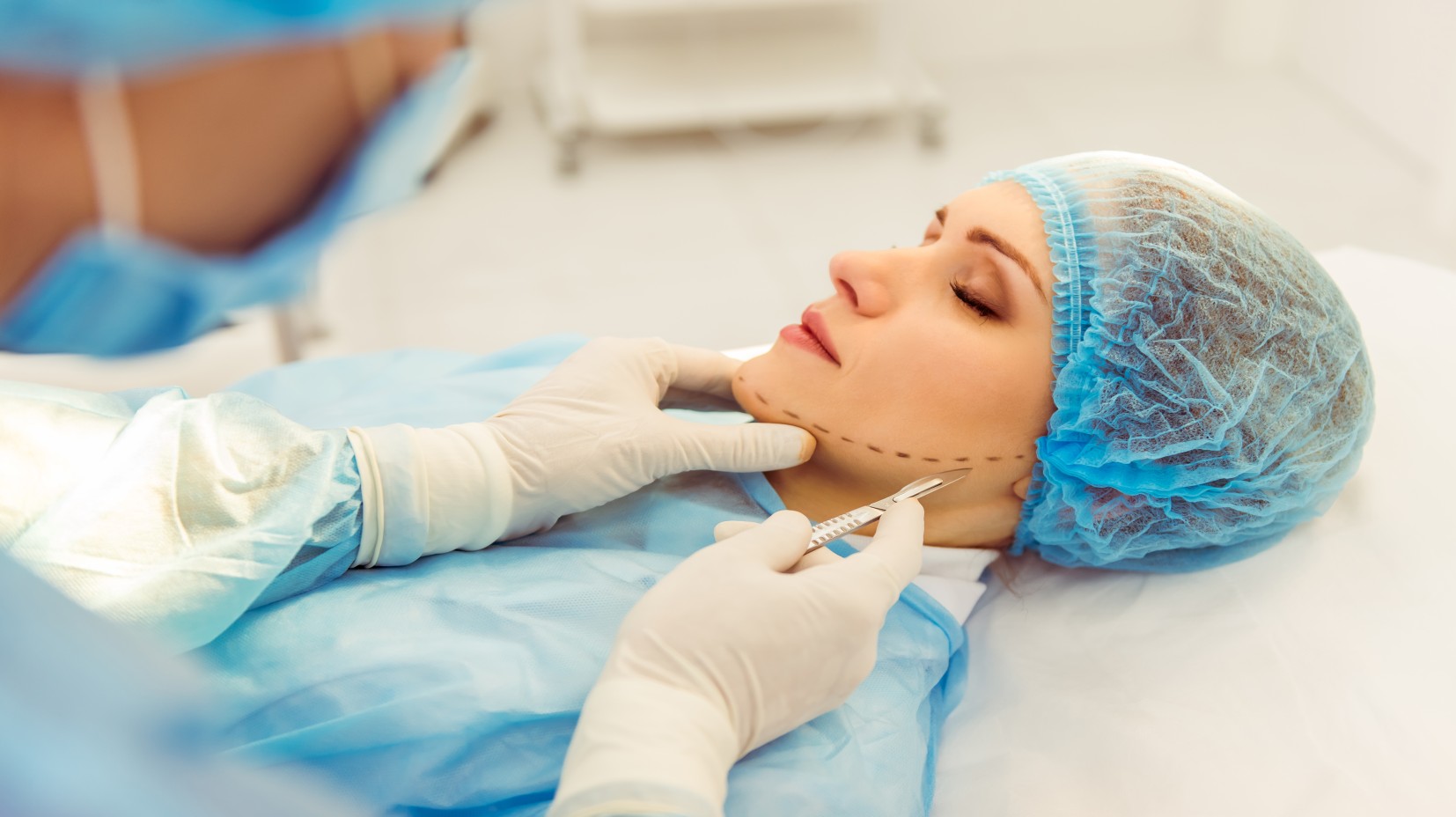
Facelift surgery in India has evolved with advanced anesthesia methods and surgical precision to provide safer, more comfortable, and natural-looking results. Whether you are a local patient or traveling from abroad, understanding the types of anesthesia, procedural steps, and common patient concerns will help you feel confident and prepared for your facial rejuvenation journey.
Types of Anesthesia Used in Facelift Surgery
At leading Indian clinics, two primary anesthesia options are available for facelift surgery:
1. Sedation with Local Anesthesia (Tumis Inflate): This technique involves numbing the face with a local anesthetic while the patient remains lightly sedated, in what is called “twilight” or conscious sedation anesthesia. It is especially suitable for older patients and those with cardiac issues, offering a balance of comfort and safety.
2. General Anesthesia: In some cases, patients may be fully asleep under carefully controlled light general anesthesia. This option includes use of tumis inflate for targeted facial numbness while the anesthetic level is kept low to ensure quick recovery.
Both anesthesia options are designed to minimize pain and anxiety, allowing a stress-free experience during the procedure.
Understanding the Facelift Procedure
Facelift surgery typically lasts between 2 to 6 hours, depending on the technique used and patient needs. Here’s what a patient can expect:
– Preoperative Planning: Before surgery, detailed photographs are taken and incision sites meticulously marked to personalize the approach.
– Surgical Technique: Surgeons use magnification and specialized tools to release ligaments, reshape deeper facial layers, and tighten muscles. Techniques such as deep plane facelift, SMAS lift, MACS lift, and temporal or lateral facelifts are customized for natural, lasting results.
– Additional Procedures: Liposuction to contour the neck and chin, fat grafting to restore volume, and platysma tightening for neck bands are commonly combined for a harmonious facial rejuvenation.
Precision in incision placement and the use of multi-point suturing techniques ensure minimal visible scarring and balanced facial symmetry.
Frequently Asked Questions by Facelift Patients
Will I be asleep during the surgery?
Most patients are either lightly sedated or fully asleep under general anesthesia, ensuring no pain or discomfort during the procedure.
Will I experience pain?
Pain is well managed by the anesthesia; patients usually feel only minor needle discomfort before the surgery begins.
Is facelift surgery suitable for men?
Yes, techniques are adapted for male anatomy and hairlines, ensuring a natural appearance without feminization.
Will my facial expressions change after surgery?
Permanent changes in expression are rare. Surgeons use advanced techniques to preserve natural movement and prevent complications like “pixie ear” deformity.
How do surgeons prevent asymmetry and complications?
Careful vector planning, use of multiple fixation points, and precise suturing help avoid asymmetry and ensure smooth, natural contours.
Recovery and Aftercare
Post-surgery, patients are closely monitored in recovery rooms, often waking up refreshed. Compression bandages and garments help reduce swelling and support healing. Antibiotics are routinely given to prevent infection, and blood loss is minimal, eliminating the need for transfusion in most cases. Modern methods such as hemostatic nets and quill sutures facilitate faster healing and reduce risks.
Why Choose India for Your Facelift Surgery?
India’s plastic surgery centers offer world-class techniques and patient care that meet international standards. Whether you are traveling from abroad or within India, you’ll benefit from:
– Personalized surgical plans tailored to ethnic features and preferences
– Access to experienced surgeons who blend innovation with artistry
– Remote preoperative consultations to make planning easier
– Customized anesthesia options focusing on patient safety and comfort
India is fast becoming a preferred destination for high-quality, affordable facelift surgery that combines expertise with compassionate care.
Leave a Reply