Author: nypunyadocs

  • Rhinoplasty Surgery Experience: Choosing the Right Surgery Center and Planning Your Procedure

    Rhinoplasty Surgery Experience: Choosing the Right Surgery Center and Planning Your Procedure

    Where Will My Rhinoplasty Surgery Be Performed: Hospital or Surgery Center?

    Rhinoplasty is both an art and a science, and the place where your surgery happens significantly impacts your results. Dedicated surgery centers for rhinoplasty and aesthetic procedures offer specialized advantages over general hospitals or multi-specialty centers: 

    Operation Theater Time: Surgery centers allocate ample time for your rhinoplasty without strict limits, allowing the surgeon to take the necessary time for precise results. Hospitals often have tight schedules, fitting multiple surgeries into one theater per day, limiting individual surgery time to 2-3 hours.

    Specialized Equipment: Surgery centers have handpicked, customized equipment tailored for rhinoplasty, like nasoendoscopy and ultrasonic surgery tools. Hospitals often rent or share equipment, adding potential costs and complexities.

    Anesthesia Expertise: Dedicated centers feature anesthetists experienced in controlled hypotensive anesthesia that maintains low blood pressure during surgery. This reduces bruising and swelling, improving recovery and surgical precision. Hospitals may have changing anesthetists during long surgeries, impacting stability.

    Personalized Recovery: Post-surgery care in dedicated centers is more focused and peaceful, unlike hospitals where patients recover amidst other disease treatments.

    Choosing a specialized surgery center ensures the best environment for your surgeon—the artist and scientist—and the highest likelihood of excellent outcomes. 

    How Should I Plan My Rhinoplasty Surgery?

    Planning rhinoplasty requires balancing multiple factors:

    Consultations: Begin with a primary consultation, followed by a secondary consultation a week later to finalize surgical plans based on your goals.

    Scheduling: Align your surgery with your work and social calendar, ensuring at least two weeks of recovery time with minimal obligations.

    Waiting Times: At leading clinics in India, consultations happen within 48 hours of request, with surgery scheduled typically within 2 weeks to 1 month after tests. Compared to Western countries where waiting can be 6 months to 1 year, India offers significant time and cost savings without compromising quality.


    How Much Time Should I Take Off Work After Rhinoplasty?

    Most patients take 8 to 10 days off for initial healing, as the first dressing change occurs on the 8th day. Some people start working from home around day 4 or 5 depending on their profession and comfort. For important social events, plan surgery at least 2-3 weeks prior, so swelling subsides, and the nose shape settles. 

    What Is the Policy on Rescheduling Rhinoplasty Surgery?

    You book your surgery date by paying a token deposit after completing all required health workups. You can reschedule without losing the deposit if done 4-5 days in advance. Rescheduling later results in forfeiting the advance and paying an additional rescheduling fee (around ₹10,000). 

    Do I Need to Arrange Transportation and Help at Home Post-Surgery?

    Rhinoplasty is often a day procedure or an overnight stay depending on complexity. It is advisable not to drive yourself home; arrange a cab or have a friend/family member drive you. For level 1 and 2 surgeries, you may go home the same day; for more complex surgeries, you stay overnight. Having someone assist you at home during the initial recovery period is safer and more comfortable. 

    Frequently Asked Questions (FAQs)

    Q: What are the differences between surgery centers and hospitals for rhinoplasty?
    A: Surgery centers provide flexible operation theater time, specialized equipment, expert anesthesia, and personalized recovery care, while hospitals often have stricter time limits and shared resources. Q: How long is the typical recovery time before returning to work?
    A: Most take 8-10 days off; some can work from home after 4-5 days depending on their situation. Q: How soon can I schedule my rhinoplasty after consultation?
    A: At top Indian clinics, usually within 2 weeks to 1 month after consultation and tests. Q: What is the rescheduling policy?
    A: Reschedule without penalty if more than 4-5 days in advance; otherwise, the deposit is forfeited along with a rescheduling fee. Q: Should I arrange for help at home post-surgery?
    A: Yes, it is recommended for convenience and safety, especially for the first 1-2 days. 

    Featured Snippet Summary

    Choosing a dedicated surgery center for rhinoplasty ensures flexible surgery time, specialized equipment, expert anesthesia, and personalized recovery. Plan your procedure with consultations and schedule around your work/social calendar, allowing 8-10 days off for recovery. Rescheduling is flexible if done early, and arranging transportation and home help post-surgery is advised. 

    Ready to Start Your Rhinoplasty Journey?

    Planning your nose surgery with expert surgeons and specialized care centers can make all the difference. Contact us today to schedule a consultation and get personalized guidance on your rhinoplasty procedure and recovery! 
  • Understanding Rhinoplasty Costs and Financing Options in India

    Understanding Rhinoplasty Costs and Financing Options in India

    What Does Rhinoplasty (Nose Job) Cost in India?

    Rhinoplasty costs vary widely depending on the complexity of the surgery, surgeon experience, and surgery center facilities. In India, we categorize rhinoplasty into 5 levels based on the surgery’s difficulty and duration: 

    • Level 1: ₹75,000 – ₹1.5 lakhs
    • Level 2: ₹1.5 lakhs – ₹2 lakhs
    • Level 3: ₹2 lakhs – ₹2.5 lakhs
    • Level 4: ₹2.5 lakhs – ₹3.5 lakhs
    • Level 5: ₹3.5 lakhs – ₹5 lakhs

    These prices are approximate and may vary according to the operative maneuvers required and the time involved. Additional costs like taxes (GST), consumables, and add-ons such as rib cartilage grafts or ultrasonic tools may increase the total bill.The ultimate cost should reflect the value you receive—experienced surgeons, advanced techniques, customized surgery centers, and comprehensive patient care all contribute to a safer, better outcome. Choosing value over price alone is crucial for your satisfaction and results. 

    Does Insurance Cover Rhinoplasty Costs?

    Typically, aesthetic rhinoplasty (cosmetic nose job) is not covered by any insurance in India or worldwide. However, reconstructive rhinoplasty components related to septoplasty (correcting a deviated septum) and turbinate surgery may be covered. Patients often seek reimbursement for such eligible components, but the aesthetic portion remains an out-of-pocket expense. 

    What Financing Options Are Available?

    Financial flexibility has improved significantly with various options:

    – Zero-interest EMI plans via clinic partnerships

    – Credit card financing offers

    – Loans from financial institutions supporting cosmetic surgery

    These make rhinoplasty accessible even for those early in their careers, spreading the cost over manageable monthly payments. Discuss available financing during your consultation to tailor a plan that suits your budget. 

    Are There Additional Costs Beyond Surgery?

    Most rhinoplasty packages include the anesthesia fee and the first follow-up consultation. However, additional expenses may apply for equipment usage, extra consumables, medication, and taxes. It is essential to clarify all price components upfront to avoid surprises. 

    How to Choose the Right Rhinoplasty Package?

    When selecting your surgeon and clinic, avoid simple price comparisons. Instead, evaluate:

    – Surgeon’s expertise and patient results

    – Surgery center’s facilities and dedicated operation theater time

    – Personalized care throughout your surgical journey

    Dedicated aesthetic surgery centers allocate ample operation time specifically for rhinoplasty, avoiding the rush seen in multi-specialty hospitals with many scheduled surgeries daily. This flexibility is critical as rhinoplasty duration varies greatly depending on complexity. Good anesthesia management in dedicated centers also reduces bruising and swelling, improving recovery. 

    Frequently Asked Questions (FAQs)

    Q: How much does a nose job cost in India?
    A: Costs range between ₹75,000 to ₹5 lakhs based on surgery complexity and additional factors like consumables and taxes. Q: Will my insurance cover my rhinoplasty?
    A: Insurance may cover reconstructive portions (septoplasty), but not cosmetic rhinoplasty. Q: What financing options are available?
    A: EMI plans, credit cards, and personal loans are common, making surgery affordable. Q: Are there any hidden costs?
    A: Besides surgery, anesthesia, and follow-ups, additional equipment and medication costs may apply. 

    Featured Snippet Summary

    Rhinoplasty costs in India range from ₹75,000 to ₹5 lakhs based on surgery complexity, surgeon expertise, and surgery center facilities. Insurance usually doesn’t cover cosmetic rhinoplasty but may cover reconstructive work. Financing options like EMIs and loans make surgery affordable. Choosing a surgeon and center based on value and experience ensures the best outcomes. 

    Internal Linking Suggestions

    Link this blog to related content on rhinoplasty procedure details, surgeon profiles, and patient testimonials to build trust and guide readers through their journey. 

    Ready to Transform Your Look?

    If you are considering rhinoplasty and want a transparent cost estimate with financing options tailored to you, book a consultation with our expert surgeons today. Discover how affordable and rewarding your nose job journey in India can be with personalized care and world-class facilities.

  • Facelift Consultation, Recovery and International Patient Care: Comprehensive Guide for India

    Facelift Consultation, Recovery and International Patient Care: Comprehensive Guide for India

    India has emerged as a leading destination for facelift surgery, attracting patients not only from across the country but also internationally. What sets Indian clinics apart is not just the advanced surgical expertise but also the thorough, patient-centered approach to consultation, recovery, and post-operative care. This guide explores what patients can expect throughout their facial rejuvenation journey, with a focus on telemedicine, safety protocols, recovery tips, and how India caters specifically to international and NRI patients.

    Customized Pre-Operative Consultation: The Foundation of a Successful Facelift

    A personalized, detailed consultation is the most crucial step before surgery. Most Indian clinics offer comprehensive pre-op evaluations including:

    – Detailed Medical Assessment: Surgeons and anesthesiologists assess your overall health, airway, cardiac status, allergies, and previous surgeries. This evaluation helps determine the safest anesthesia method and surgical plan tailored to your needs.

    – Telemedicine & Remote Consultations: For international and NRI patients, remote video consultations have become a norm, allowing patients to discuss their goals, share medical histories, and have anesthesiologist assessments without travel. This approach ensures convenience and preparation before arriving in India.

    – Preoperative Planning & Photography: High-resolution photos are taken to map facial structures and aging patterns. This helps the surgeon visualize the best approach for lift vectors, incision placement, and volume restoration.

    Surgical Safety and Minimizing Risks

    Patient safety takes priority at every stage. Indian facelift clinics adopt stringent safety protocols:

    – Infection Prevention: Single-dose antibiotic administration during anesthesia significantly reduces the risk of infection.

    – Blood Loss Control: With the use of advanced hemostatic techniques, including internal hemostatic nets and precise vessel ligation, blood loss is minimal, making blood transfusions rare.

    – Reduction of Scarring: Surgeons employ the trichophytic closure technique to hide scars within the hairline, promoting faster healing and nearly invisible incisions.

    – Multi-Point Fixation Techniques: Using multiple secure fixation points prevents post-op asymmetry and sagging, improving long-term results.

    Recovery and Post-Operative Care: Ensuring a Smooth Healing Process

    Recovering from a facelift involves a carefully managed plan that Indian clinics excel at implementing:

    – Recovery Room Monitoring: After surgery, patients are moved to recovery suites with continuous monitoring to ensure stable vitals and comfort during the initial awakening from anesthesia.

    – Compression Garments and Bandages: Patients wear customized compression garments or bandages that support the new facial contours and reduce swelling and bruising.

    – Swelling Management: Cold saline compresses and anti-inflammatory medications are prescribed to control swelling and discomfort. Hemostatic nets inside the tissue layers minimize fluid accumulation.

    – Wound Care and Scar Management: Regular wound inspections and expert guidance on skincare help achieve optimal healing free from infection or visible scars.

    – Follow-Up Appointments: Both in-person and telemedicine follow-ups allow surgeons to track healing progress and address patient concerns promptly.

    Frequently Asked Questions for International and Local Patients

    How long will the facelift recovery take?

    Most swelling and bruising subside within two weeks. However, complete healing and final results can take several weeks to months depending on individual factors like age, skin type, and procedure extent.

    What should international patients consider during recovery?

    International patients should follow surgeon recommendations on the appropriate rest and travel timeline post-surgery. Many choose to stay in India for a short recovery period for initial post-op checks before traveling home.

    Is blood transfusion required after facelift?

    Modern surgical techniques and meticulous blood vessel preservation minimize intraoperative blood loss, making transfusions rarely necessary.

    Can NRI patients safely undergo facelift in India?

    Absolutely. Indian clinics provide tailored care for NRIs including remote consultations, tailored pre-op assessments, and coordinated post-op follow-ups, ensuring a seamless treatment experience.

    Why India is a Preferred Destination for Facelift Surgery

    India offers several advantages for facelift patients worldwide:

    – Personalized Surgical Approach: Surgeons consider ethnic and individual facial aesthetics, ensuring natural and culturally sensitive results.

    – Cost-Effective Excellence: World-class surgical standards at affordable prices attract many international patients.

    – Advanced Facilities: India’s hospitals and clinics are equipped with the latest surgical and anesthesia technology.

    – Cultural Sensitivity and Support: Clinics provide multi-lingual staff and personalized patient support, easing the experience for overseas patients.

    – Convenient Travel and Accommodation Assistance: Many centers assist with visa, stay arrangements, and local transportation tailored to international patients’ needs.

    Facelift surgery is more than just a medical procedure—it is a transformative journey. Choosing India for this journey means access to expert care, personalized treatment plans, safe procedures, and comprehensive aftercare, all designed to help patients from anywhere in the world achieve their aesthetic goals with confidence.

  • Facelift Surgery in India: Advanced Techniques, Anesthesia Options and FAQs

    Facelift Surgery in India: Advanced Techniques, Anesthesia Options and FAQs

    Facelift surgery in India has evolved with advanced anesthesia methods and surgical precision to provide safer, more comfortable, and natural-looking results. Whether you are a local patient or traveling from abroad, understanding the types of anesthesia, procedural steps, and common patient concerns will help you feel confident and prepared for your facial rejuvenation journey.

    Types of Anesthesia Used in Facelift Surgery

    At leading Indian clinics, two primary anesthesia options are available for facelift surgery:

    1. Sedation with Local Anesthesia (Tumis Inflate): This technique involves numbing the face with a local anesthetic while the patient remains lightly sedated, in what is called “twilight” or conscious sedation anesthesia. It is especially suitable for older patients and those with cardiac issues, offering a balance of comfort and safety.

    2. General Anesthesia: In some cases, patients may be fully asleep under carefully controlled light general anesthesia. This option includes use of tumis inflate for targeted facial numbness while the anesthetic level is kept low to ensure quick recovery.

    Both anesthesia options are designed to minimize pain and anxiety, allowing a stress-free experience during the procedure.

    Understanding the Facelift Procedure

    Facelift surgery typically lasts between 2 to 6 hours, depending on the technique used and patient needs. Here’s what a patient can expect:

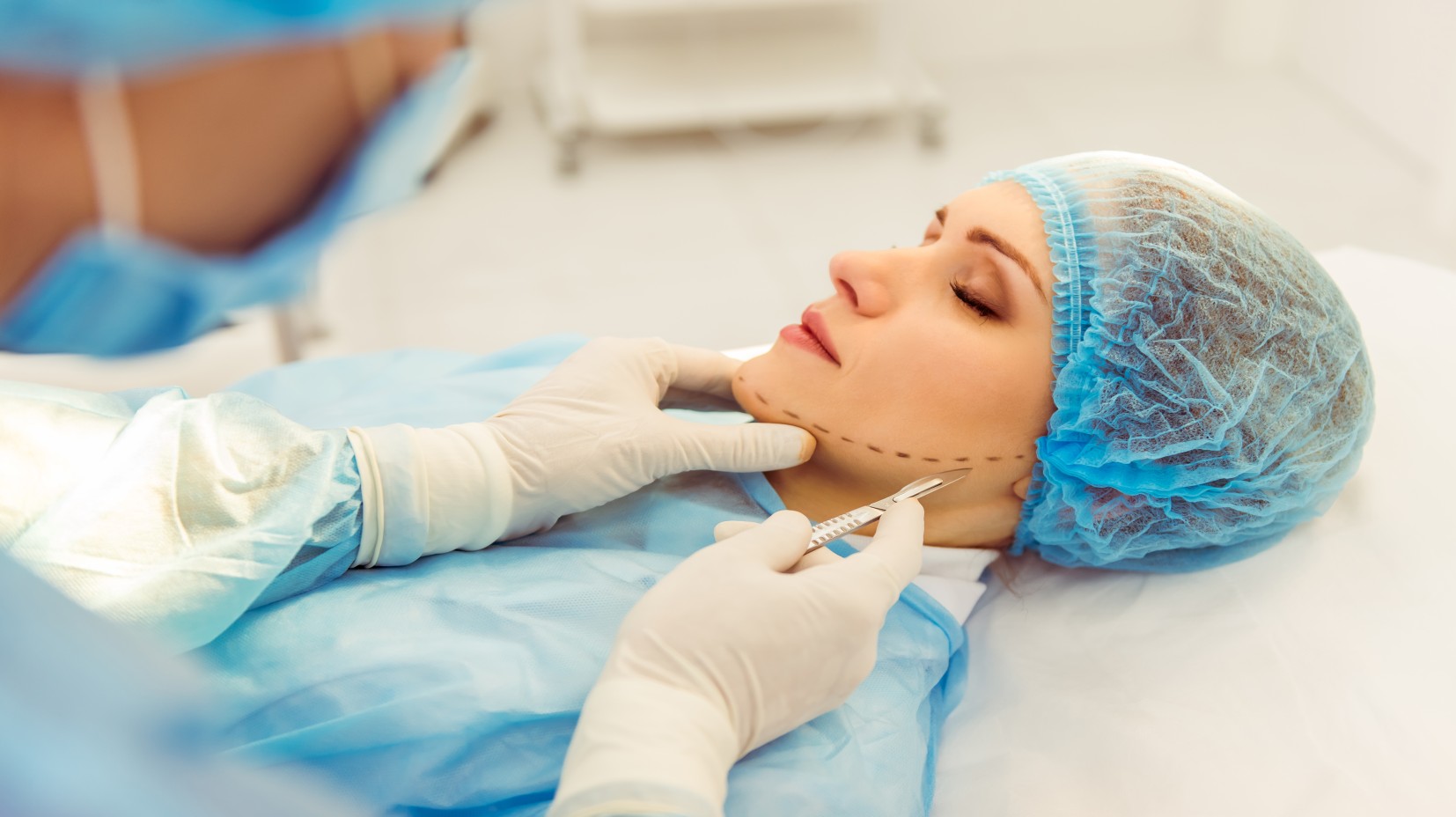
    – Preoperative Planning: Before surgery, detailed photographs are taken and incision sites meticulously marked to personalize the approach.

    – Surgical Technique: Surgeons use magnification and specialized tools to release ligaments, reshape deeper facial layers, and tighten muscles. Techniques such as deep plane facelift, SMAS lift, MACS lift, and temporal or lateral facelifts are customized for natural, lasting results.

    – Additional Procedures: Liposuction to contour the neck and chin, fat grafting to restore volume, and platysma tightening for neck bands are commonly combined for a harmonious facial rejuvenation.

    Precision in incision placement and the use of multi-point suturing techniques ensure minimal visible scarring and balanced facial symmetry.

    Frequently Asked Questions by Facelift Patients

    Will I be asleep during the surgery?

    Most patients are either lightly sedated or fully asleep under general anesthesia, ensuring no pain or discomfort during the procedure.

    Will I experience pain?

    Pain is well managed by the anesthesia; patients usually feel only minor needle discomfort before the surgery begins.

    Is facelift surgery suitable for men?

    Yes, techniques are adapted for male anatomy and hairlines, ensuring a natural appearance without feminization.

    Will my facial expressions change after surgery?

    Permanent changes in expression are rare. Surgeons use advanced techniques to preserve natural movement and prevent complications like “pixie ear” deformity.

    How do surgeons prevent asymmetry and complications?

    Careful vector planning, use of multiple fixation points, and precise suturing help avoid asymmetry and ensure smooth, natural contours.

    Recovery and Aftercare

    Post-surgery, patients are closely monitored in recovery rooms, often waking up refreshed. Compression bandages and garments help reduce swelling and support healing. Antibiotics are routinely given to prevent infection, and blood loss is minimal, eliminating the need for transfusion in most cases. Modern methods such as hemostatic nets and quill sutures facilitate faster healing and reduce risks.

    Why Choose India for Your Facelift Surgery?

    India’s plastic surgery centers offer world-class techniques and patient care that meet international standards. Whether you are traveling from abroad or within India, you’ll benefit from:

    – Personalized surgical plans tailored to ethnic features and preferences

    – Access to experienced surgeons who blend innovation with artistry

    – Remote preoperative consultations to make planning easier

    – Customized anesthesia options focusing on patient safety and comfort

    India is fast becoming a preferred destination for high-quality, affordable facelift surgery that combines expertise with compassionate care.

  • Rhinoplasty Surgery and Recovery Guide in Bangalore for Indian and Overseas Patients

    Rhinoplasty Surgery and Recovery Guide in Bangalore for Indian and Overseas Patients

    Understanding Rhinoplasty Surgery: What to Expect in Bangalore

    Rhinoplasty at Nypunya Aesthetic Clinic combines advanced surgical techniques with personalized care to meet your unique aesthetic goals. From minor reshaping to complex reconstructive procedures, each surgery is customized with extensive pre-op planning and patient education to ensure safe and effective outcomes.


    Recovery Timeline After Rhinoplasty Surgery

    1. Day 1-2: Hospital stay to monitor vital signs and manage initial swelling and pain with oral medication.
    2. Day 3-7: Return to accommodation with nursing assistance, follow cold compress routines, and elevated head positioning to reduce swelling.
    3. Day 8-9: Removal of nasal splints and sutures, allowing for easier breathing and light activities.
    4. Day 10 onwards: Gradual return to light sightseeing, gentle walks, and remote work as per comfort.


    Managing Pain and Post-Operative Care

    Our caring nursing team provides pain management using patches, oral medication, and injectable analgesia if required. Patients have access to 24/7 helpline support and virtual consultations for guidance throughout recovery. 

    Diet & Lifestyle Recommendations During Recovery

    A balanced, hygienic diet rich in protein and vitamins aids wound healing and reduces inflammation. Avoid smoking, alcohol, and strenuous activity for at least two weeks post-surgery. Gentle walking and light cultural tourism are encouraged after the first week.


    Cost, Payment Methods & Insurance Support

    Rhinoplasty cost in Bangalore depends on the complexity of surgery and accommodation preferences. Our transparent pricing policy offers a preliminary estimate during consultation. Payment can be made by bank transfer, digital wallets, or credit cards (except American Express).Having medical travel insurance simplifies emergencies and post-op care. We recommend arranging insurance coverage before your surgery trip.


    Follow-Up & Revision Rhinoplasty Services

    Post-op follow-ups are done via secure video calls to monitor progress and address any concerns. Revision rhinoplasty is offered at discounted rates for patients seeking refinements, usually after a 6-month waiting period.


    Emergency Contact & After-Hours Support

    A dedicated WhatsApp and email helpline ensures international patients have immediate access to skilled medical advice or emergency assistance anytime during their recovery.


    Combining Rhinoplasty with Wellness and Tourism

    Bangalore offers wellness retreats, ayurvedic therapies, and cultural sightseeing options to enhance your surgical experience and make recovery pleasant and rejuvenating.


    Why Choose Nypunya Aesthetic Clinic for Your Rhinoplasty?

    Backed by decades of surgical excellence, our clinic uses the latest technology and prioritizes patient safety, comfort, and individualized results. Our multilingual staff and transparent communication make international patients feel at home.


    Frequently Asked Questions (FAQs)

    What is the recovery time after rhinoplasty?

    Most patients recover sufficiently to return to work or light activities within 10-14 days, with full healing completed over several months.

    How much does rhinoplasty cost in Bangalore?

    Costs vary based on surgery type but generally range between ₹X and ₹Y. Contact for a tailored quote.

    Is revision rhinoplasty available?

    Yes, revisions are available at discounted prices, with follow-up care provided to ensure optimal results.

    What payment options are accepted?

    Payments accepted via bank transfer, digital wallets, and major credit cards (excluding American Express).

    What kind of post-op support is provided?

    Virtual consultations, nursing care, diet guidance, and 24/7 helpline support are available to all patients. 

  • Rhinoplasty in Bangalore: Complete Travel and Surgery Planning Guide for India and International Patients

    Rhinoplasty in Bangalore: Complete Travel and Surgery Planning Guide for India and International Patients

    Why Choose Rhinoplasty in Bangalore?

    Bangalore has become a premier destination for rhinoplasty in India, attracting both Indian and international patients. Known for its world-class surgeons, advanced facilities, and holistic patient care, Bangalore offers an ideal blend of expertise and comfort for your nose surgery journey. This comprehensive guide covers every step—from virtual consultations to recovery and travel tips—ensuring you plan your rhinoplasty in Bangalore confidently.

    Step 1: Virtual Rhinoplasty Consultation in Bangalore

    Start your rhinoplasty journey with virtual consultations. Simply send standardized photos of your nose, and our expert surgeons will review them, discuss your cosmetic goals, and create a customized surgical plan. These consultations typically happen twice, spaced 7–10 days apart, allowing detailed planning and transparency before your surgery day.

    Step 2: Pre-Surgery Preparation and Medical Tests

    Before surgery, complete recommended blood tests and scans locally. Send reports back to the clinic for review. This ensures safety and readiness. After clearance, schedule your surgery for a date that gives you enough time to plan your travel comfortably.

    • Travel & Accommodation Planning for Rhinoplasty Patients in Bangalore

    Bangalore offers excellent accommodation options near the clinic, including hotels and serviced apartments. We partner with trusted providers to assist with travel and lodging arrangements, and we also provide long-stay accommodations on-site for your convenience.

    • Best Time for Rhinoplasty Surgery in Bangalore

    June to August is the most favorable time to travel for rhinoplasty, with comfortable weather ideal for recovery and sightseeing. These months also have fewer social distractions, allowing patients to rest and explore local attractions such as Mysore and Srirangapatna.

    • Understanding Medical Visa Requirements for International Rhinoplasty Patients

    For international patients, a medical visa is highly recommended and easy to obtain with our assistance. This visa facilitates seamless medical travel, government tracking, and coordination with your home country’s healthcare providers.

    • Cost of Rhinoplasty in Bangalore: What International Patients Should Know

    The cost of rhinoplasty in Bangalore varies by complexity and choice of accommodation. Our clinic offers transparent pricing with a personalized cost estimator provided after consultations. Most patients find that rhinoplasty here offers exceptional value compared to many global centers.

    Step 3: Your Surgery Day and Hospital Stay

    Arrive in Bangalore at least one day prior for an in-person consultation. On surgery day, our dedicated team ensures your comfort. Most rhinoplasties require hospital admission, with simpler procedures often performed as day care. Complex surgeries may require an overnight stay for monitoring.

    Step 4: Post-Surgery Recovery and Care in Bangalore

    Recover comfortably in our patient rooms with professional nursing support. Pain management includes oral medication and patches, with injectable care available if needed. After 8–9 days, splints and sutures are removed. Many patients begin light sightseeing and remote work from this point.

    Flexible Recovery & Travel Tips

    We encourage you to plan for a two-week stay, including an extra week if international travel is involved for optimal recovery. Bangalore’s pleasant climate supports healing, and we provide detailed care instructions including dietary recommendations and activity guidelines.

    Comprehensive Rhinoplasty Patient Support & Language Services

    To assist international patients, we use Google Translate and arrange human translators upon request. Wi-Fi and international SIM card assistance help you stay connected.

    Why Nypunya Aesthetic Clinic Is Your Trusted Rhinoplasty Partner

    Our expert surgeons have decades of experience specializing in advanced rhinoplasty techniques. Our commitment to patient safety, privacy, and transformative results makes us a leader in rhinoplasty in Bangalore.

    Frequently Asked Questions About Rhinoplasty in Bangalore

    How soon can I travel after rhinoplasty in Bangalore?

    You can usually travel 10–12 days after rhinoplasty in Bangalore once splints are removed and initial healing has begun.

    What is the average cost of rhinoplasty in Bangalore?

    Costs vary depending on surgery complexity but typically range between ₹X and ₹Y. Contact us for a personalized estimate.

    Do I need a medical visa for rhinoplasty in India?

    Yes, a medical visa is strongly recommended for international patients and facilitates coordinated care and legal compliance.

    Which is the best clinic for rhinoplasty in Bangalore?

    Nypunya Aesthetic Clinic is renowned for its skilled surgeons, safety standards, and comprehensive patient support.

    How long is recovery after rhinoplasty?

    Initial recovery takes about 8–12 days, with full healing extending over several months. We support patients throughout this journey.


    Explore our Rhinoplasty Service Page, meet our Expert Surgeons, and Book Your Consultation today to start your transformation journey.